Materials & Finishes
What is a PVD finish?
By the Vernwell team · Updated
Short answer
PVD, or physical vapor deposition, is a vacuum coating process that bonds a very thin, hard metal or ceramic film to a metal part. PVD brass and PVD chrome look like polished brass and chrome but are far more resistant to scratching, fading, and tarnish than lacquered brass or conventional electroplating, which makes them well suited to high-traffic commercial spaces.
How PVD works
In a PVD chamber, a solid source material is vaporized under high vacuum and deposited atom by atom onto the parts, forming a thin film typically only a few microns thick. Compounds such as titanium nitride or zirconium nitride produce gold and brass tones; other chemistries produce chrome, nickel, black, and bronze looks.
Because the film bonds at the molecular level, it doesn't flake the way some plated finishes can, and it doesn't rely on a clear lacquer to prevent tarnish.
PVD vs. solid brass, lacquered brass, and electroplating
For hotel lobbies, casinos, and airports, where the same surfaces are touched and cleaned constantly, PVD keeps its color far longer than lacquered or plated brass. If a project wants a brass that deliberately ages and patinates, specify unlacquered brass instead.
| Finish | How it's made | Tarnish | Wear in high traffic |
|---|---|---|---|
| Unlacquered solid brass | Solid brass alloy, no coating | Develops patina | Scratches; changes over time by design |
| Lacquered brass | Brass under a clear lacquer | Tarnishes where lacquer wears | Lacquer chips and yellows |
| Electroplated brass or chrome | Metal deposited in a chemical bath | Plating can wear through | Moderate |
| PVD brass or chrome | Thin hard film deposited in a vacuum | Resists tarnish | Highly scratch and fade resistant |
Caring for PVD finishes
- Clean with a soft cloth and mild soap and water, then dry.
- Avoid abrasive pads, scouring powders, and polishes meant for raw brass; they are unnecessary and can dull the surface.
- Avoid harsh chemicals such as bleach or strong acids on the trim.
- Don't polish PVD brass to brighten it; the color is in the film and won't change.
Where PVD makes sense on receptacles
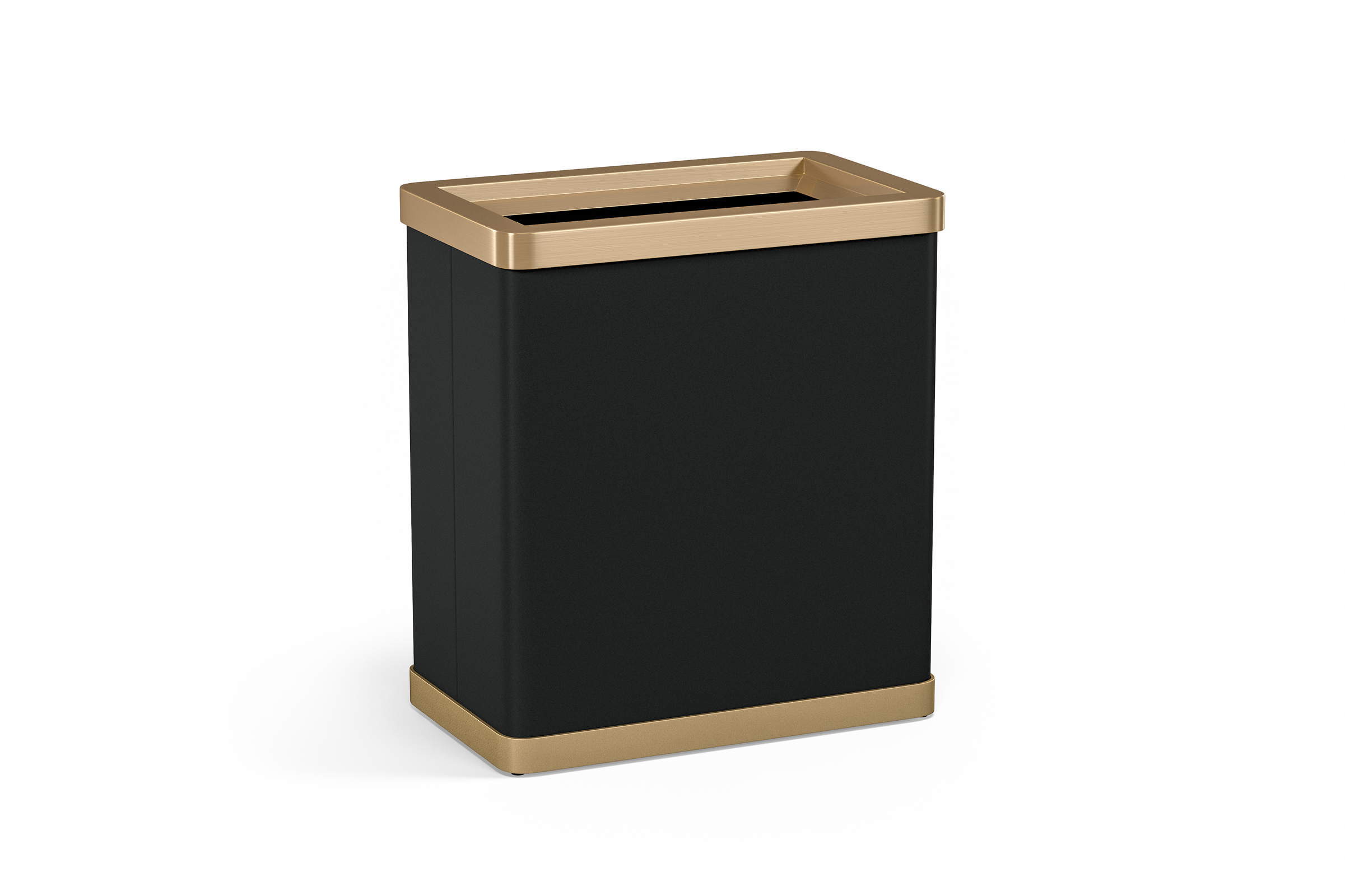
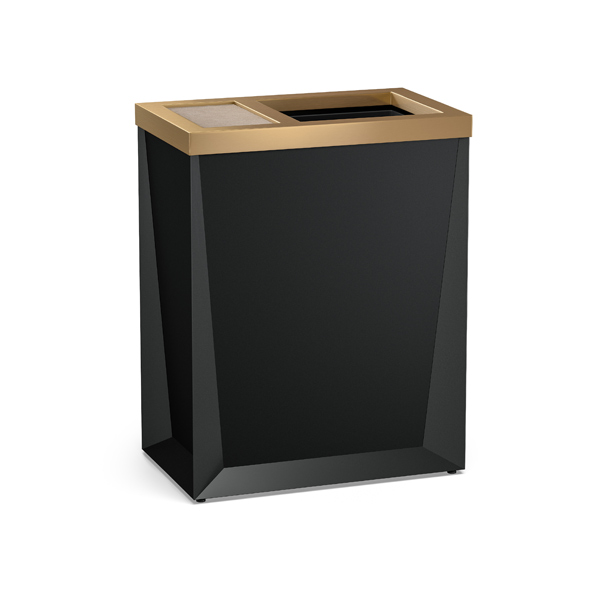
Trims, lids, and top frames are the parts people touch and staff wipe down, so they benefit most from PVD. On Vernwell receptacles, tops and trim bands are offered in Brass PVD or Chrome PVD over a powder-coated body, which pairs a durable metallic accent with a color matched to the interior.
Frequently asked questions
Does PVD brass tarnish?
PVD brass resists tarnish because the color comes from a hard, stable film rather than exposed brass. It won't develop the patina that unlacquered brass does.
Is PVD better than electroplating?
For wear and color stability, generally yes. PVD films are harder and bond more strongly than typical decorative electroplating, so they hold up better to frequent touching and cleaning.
How do you clean PVD brass?
Use a soft cloth with mild soap and water, then dry it. Skip brass polish and abrasive cleaners; they aren't needed and can dull the finish.